Renovating Your First Bathroom: A Beginner's Timeline and Checklist
Monday 13 April 2026
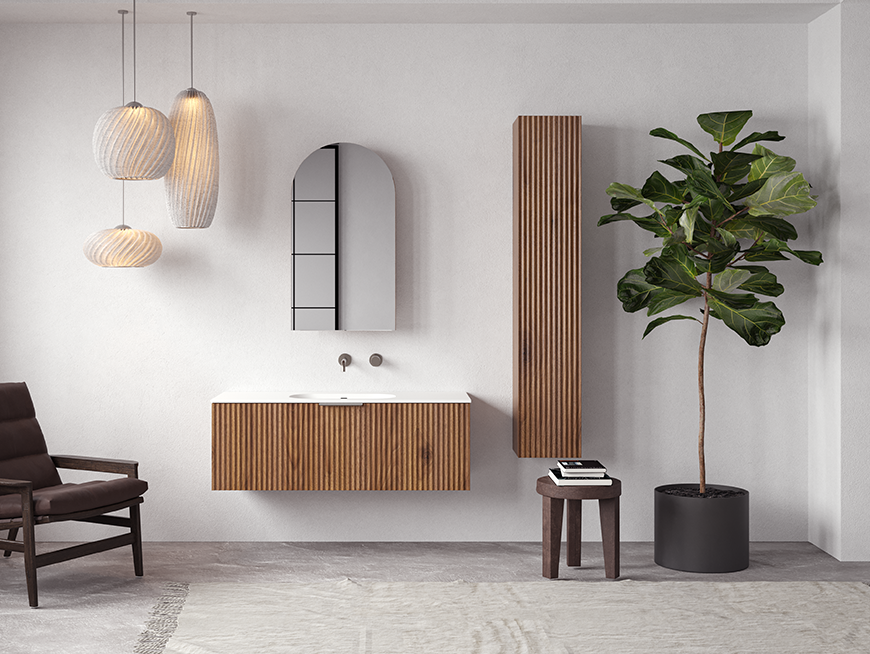
A first bathroom renovation goes far more smoothly when you plan backwards from your install date and lock in products early. Use a 6 to 12 week bathroom renovation timeline to coordinate toilets, basins, baths, showers, tapware and vanities, then allow for NZ lead times, trades, and contingency buffers so your project stays on track.
Renovating Your First Bathroom: A Beginner's Timeline and Checklist
Renovating a bathroom for the first time can feel like a lot of moving parts at once. The good news is that a clear bathroom renovation timeline turns the job into manageable steps, especially when you treat it like a project management exercise rather than a collection of shopping decisions.
For a first-time bathroom renovation, NZ homeowners can approach it in a simple sequence: plan early, choose products before booking trades, allow for supplier lead times, and build in contingency time for hidden surprises. That method works whether you are upgrading a family bathroom with Elementi, Grohe, Hansa, Nobili, American Standard or Zucchetti.KOS, or simply replacing the key items that make the biggest visual and practical difference.
Pre-renovation planning
Start planning 6 to 8 weeks before demolition, or earlier if you already know the bathroom is dated, leaky or awkward to use. This is the stage where you define the scope of the home renovation and make the big decisions that affect everything else.
Focus on these tasks:
- Measure the room carefully, including wall lengths, ceiling height, window positions, door swing and the location of plumbing penetrations.
- Decide what stays and what changes, such as whether you are keeping the bath, moving the toilet, or switching to a larger shower.
- Set a realistic budget that separates product spend from labour and contingency.
- Create a bathroom reno planning checklist with must haves, nice to haves and items you can live without if costs rise.
- Gather inspiration photos and decide on a general style direction before looking at individual products.
This is also the right moment to think about practical constraints. If you are working with an older home, your plumbing layout, subfloor condition and wall framing may limit how far you can move fixtures without adding cost. The more you understand now, the fewer surprises later.
Product selection timeline
For a first-time bathroom renovation, product selection should happen 8 to 12 weeks before installation begins. This gives you enough time to compare styles, confirm stock, check dimensions and avoid last-minute substitutions.
A sensible order is:
- Choose the layout first.
- Select the main fixtures next, including toilet, bath, shower, vanity and basin.
- Match tapware and accessories after that.
- Confirm finishes, colours and any special order items last.
This order matters because some products have long lead times or require exact compatibility. A wall hung vanity may need a specific trap arrangement, a concealed shower mixer may need in wall components, and a freestanding bath may need very precise floor space clearance. Robertson’s range across vanities, tapware, showers, toilets, basins and baths is useful here because it lets you coordinate the whole room from one place instead of juggling multiple suppliers.
When you are comparing products, look for:
- Dimensions and cutout requirements.
- WELS ratings and water efficiency data.
- Warranty length and what it covers.
- Installation instructions and technical drawings.
- Finish matching options across the range.
If you are choosing from premium brands like Elementi, Grohe, Hansa, Nobili, American Standard or Zucchetti.KOS, you are usually getting better documentation and more consistent finish options, which makes the planning phase much easier.
Booking tradies for a bathroom renovation
Book your tradies 4 to 6 weeks before the start date, or earlier if your bathroom sits on a critical path in the wider home renovation. Good plumbers, tilers and builders can be scheduled out well in advance, especially in busy renovation periods.
Before locking them in, make sure you have:
- Final product dimensions.
- Product spec sheets and installation guides.
- Confirmation of stock or delivery dates.
- A clear sequence for when each trade is needed.
The best renovation projects avoid awkward pauses. A plumber should know exactly when the vanity arrives, the electrician should know where the mirror light is going, and the tiler should know the bath hob or shower tray details before they start. This is where project management pays off.
If you are doing some of the work yourself, be honest about what you can complete and what should be left to a licensed professional. Even confident DIYers benefit from having a plumber review the rough in plan before anything is removed.
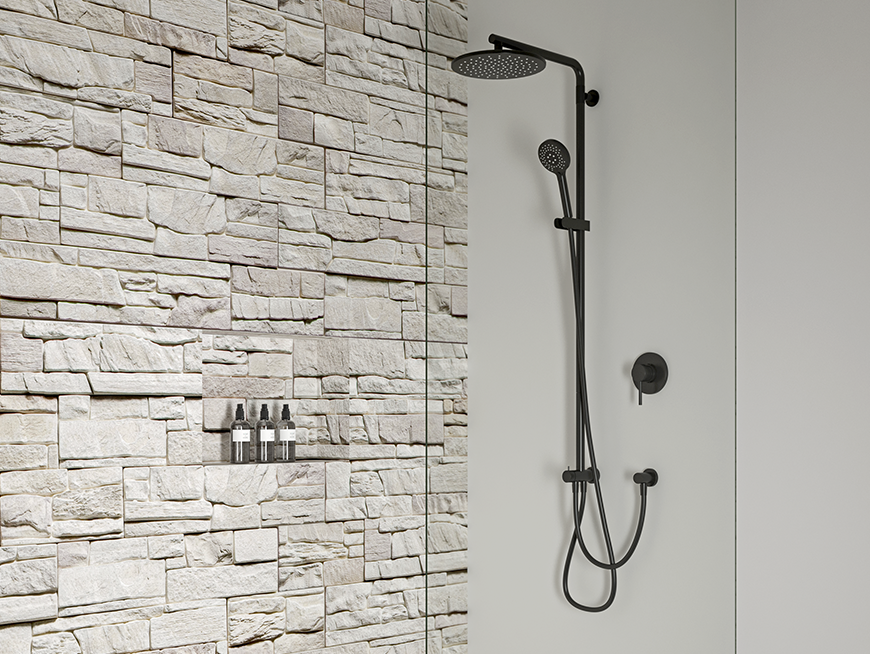
Bathroom installation timeline
A typical bathroom renovation timeline often runs like this:
- Day 1 to 2: Strip out old fittings and remove rubbish.
- Day 3 to 5: Fix any framing, flooring or plumbing issues.
- Day 6 to 8: Rough in plumbing and electrical.
- Day 9 to 12: Waterproofing and curing time.
- Day 13 to 16: Tiling and grout.
- Day 17 to 18: Install vanity, bath, shower and toilet.
- Day 19 to 20: Fit tapware, accessories, mirrors and final silicone.
- Day 21: Final clean and walkthrough.
That is only a guide. Older homes can take longer because hidden issues often appear once the bathroom is opened up. A floor that looks fine from above may need repair, and old pipework may need updating to suit new products.
During installation, the sequence matters just as much as the finish. Heavy items like baths and vanities should be positioned before final wall finishes are completed. Tapware and accessories are usually fitted late in the process to protect them from damage. The more carefully you stage the work, the more professional the final result will look.
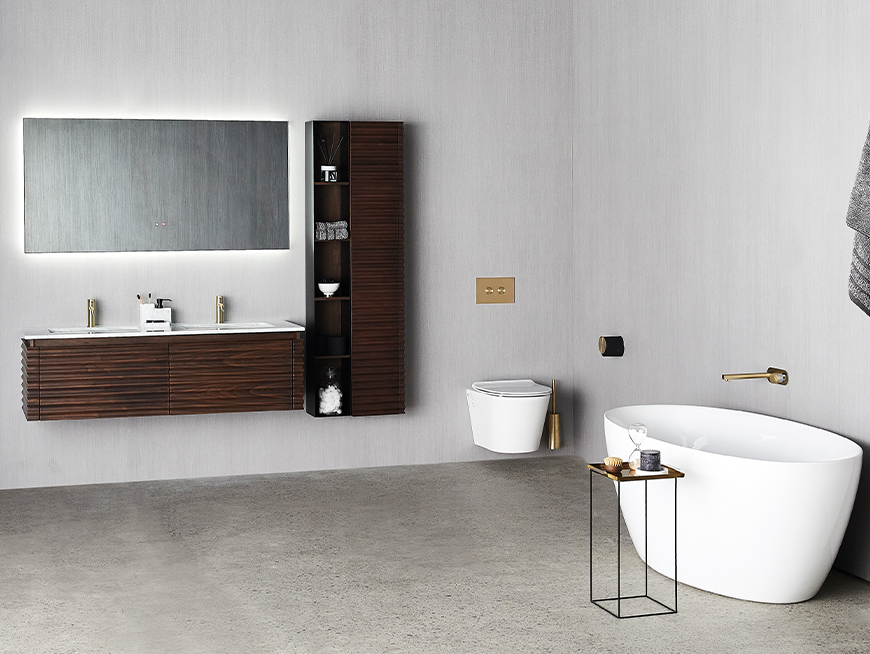
Common delays and contingencies
Almost every bathroom project hits at least one delay. The difference between a stressful reno and a manageable one is whether you planned for it.
Common delays include:
- Late product deliveries.
- Missing parts or incorrect fixtures.
- Hidden water damage or rot.
- Delayed waterproofing cure times.
- Tiling issues caused by uneven walls or floors.
- Trade rescheduling because one job ran long.
To protect your schedule, build in a contingency buffer of at least one to two weeks. If you are ordering multiple bathroom products, try to have everything on site before demolition starts, or at least confirm the back order status of the most critical items.
The most frustrating delays usually happen when one product is missing and it blocks the next trade. A good example is a vanity that arrives without the correct basin waste or wall brackets. To avoid this, create a bathroom reno planning checklist that includes every visible product and every small accessory needed to install it.
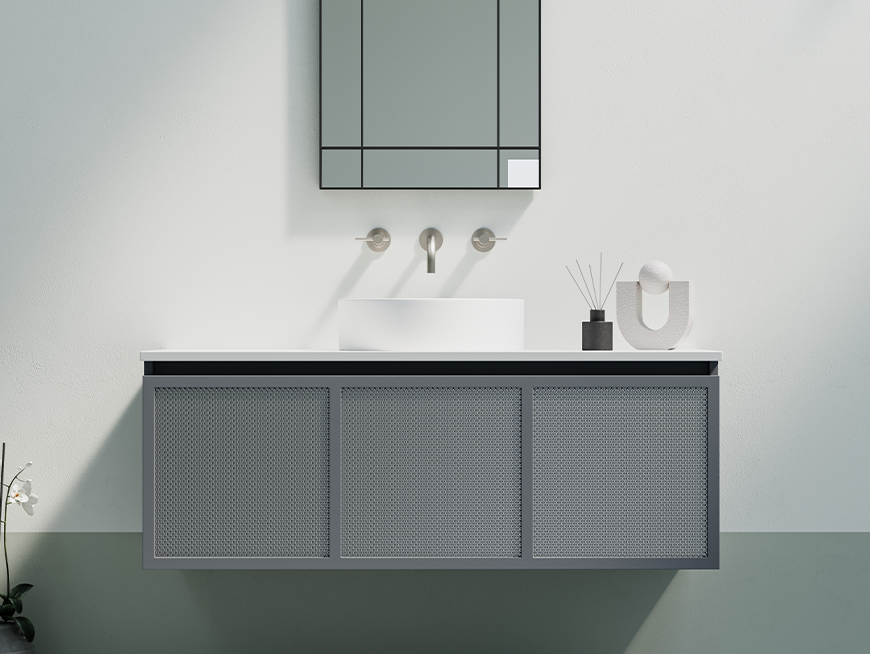
Budget breakdown by product
A smart budget should separate the bathroom into product categories rather than one lump sum. That helps you spend more where it matters most and save where you can.
A simple breakdown might look like this:
- Toilet: moderate spend if you want reliable flush performance and easy cleaning.
- Basin and vanity: often one of the biggest visual investments.
- Bath: higher spend if you want a freestanding or feature model.
- Shower: worth prioritising for daily comfort and water efficiency.
- Tapware: small in size, but critical to the overall look and long term durability.
- Accessories: lower cost, but important for finishing the room properly.
For first time renovators, tapware and shower systems are often the best places to spend a little more because they are touched every day and can dramatically influence the feel of the bathroom. A cohesive suite from one of Robertson’s premium brands can also save time because finishes and proportions are more likely to line up visually.
If budget is tight, consider where a mid range product can sit alongside a premium hero item. For example, you might choose a standout vanity and shower, then keep accessories simple and coordinated.
NZ-specific considerations
New Zealand bathroom projects have a few practical factors that are easy to overlook.
- Supplier lead times can vary, especially for imported premium products.
- Stock levels may change quickly if you are buying during busy building periods.
- Older NZ homes may have plumbing layouts that do not suit modern product dimensions without adjustment.
- Water pressure, waterproofing and building code requirements can affect what you can install and how.
For first time bathroom renovation NZ projects, local support matters. You want a supplier that can answer sizing questions, confirm what is in stock, and help you avoid ordering a product that looks right online but does not fit your actual space.
It’s also worth remembering that premium brands often have longer lead times than mass market products. That is not necessarily a problem, but it does mean you should choose early if you want a specific vanity colour, special tapware finish or matching shower set.
Post-installation checklist
Once the last trade leaves, do a careful walkthrough before you call the job finished. This is your chance to catch small issues while they are easy to fix.
Check the following:
- All taps, showers and toilet functions operate correctly.
- The vanity doors and drawers open smoothly.
- Silicone lines are neat and complete.
- The shower screen closes properly and does not leak.
- The basin waste drains without pooling.
- Accessories are level and securely fixed.
- No grout haze, dust or packaging remains.
- Warranty cards, manuals and care instructions are stored safely.
Take photos of the completed bathroom and keep a file of product names, finish colours, model numbers and purchase dates. That simple record makes future maintenance much easier and helps if you ever need to order a replacement part.
Summary
A first bathroom renovation is much easier when you approach it with a clear timeline, the right product mix and a realistic allowance for lead times, trades and contingencies. If you plan early and choose well-made fixtures from trusted brands, you can turn a stressful home renovation into a smooth, well-managed project that finishes on time and looks professionally done.
For help selecting the right toilets, basins, baths, showers, tapware and vanities for your bathroom renovation, get in touch with Robertson or browse the full range online to compare styles, finishes and product details before you commit.
FAQs
How long does a first bathroom renovation usually take?
A straightforward bathroom renovation can take around 3 to 4 weeks on site, but the full bathroom renovation timeline is often much longer once you include planning, product ordering and trade booking. Complex homes, custom products and hidden repairs can extend that further.
When should I order products for a bathroom reno?
Order key products 8 to 12 weeks before the planned installation date. That gives you time to confirm stock, check technical details and avoid delays if an item has a longer lead time.
What should go on a bathroom reno planning checklist?
Your checklist should include measurements, layout decisions, product selections, budgets, delivery dates, tradie bookings, installation sequence and final inspection items. It should also cover any small parts needed for fitting off, not just the visible bathroom products.
What products should I prioritise if I am on a budget?
Prioritise the shower, tapware and vanity because they affect daily use and visual impact the most. You can often save on accessories or keep the layout simple while still creating a high quality result.
Why does local supplier support matter in a bathroom renovation?
A local supplier can help with stock checks, product compatibility, installation questions and warranty support. That is especially useful for first time bathroom renovation NZ projects, where a small mistake can delay the whole job.
Should I buy all my bathroom products from one place?
Buying from one supplier can make project management much easier because it reduces mismatches in finish, size and delivery timing. It also simplifies support if something arrives damaged or needs to be replaced.