Shower Systems Explained: Finding the Right Type for Your Home
Tuesday 24 February 2026
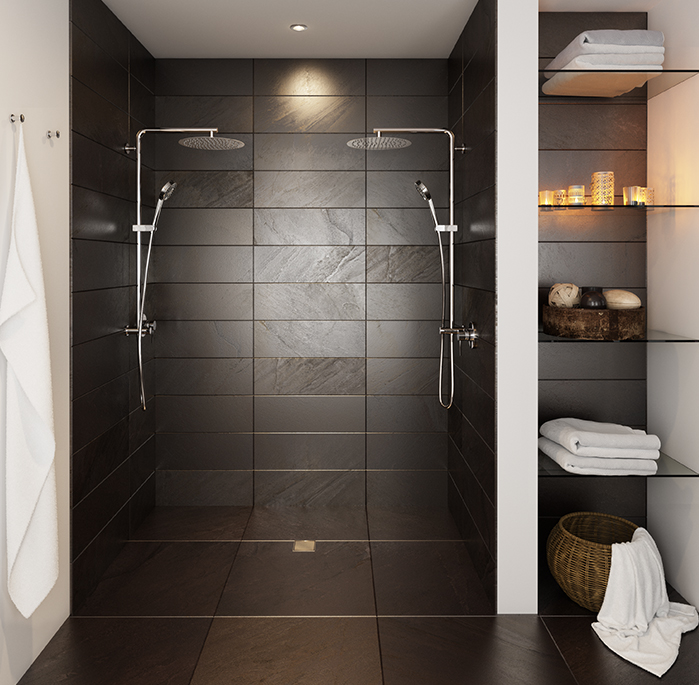
Shower Systems Explained: Finding the Right Type for Your Home
The right shower system for your home in New Zealand depends on three things; your water pressure, how you like to shower and how efficient you want your water use to be. Thermostatic mixer showers offer precise, safe temperature control, standard mixers give simple manual control and fixed or slide-mounted heads - from classic to rainfall - can all be chosen in WELS-rated, water-efficient options that still feel great.
This guide explains the main types of shower systems NZ homeowners can choose from, how to match them to your plumbing and climate, and how brands like Elementi, Grohe, Hansa, Samuel Heath and Zucchetti.KOS can help you create a durable, efficient shower that suits your space.
Shower Systems Explained: Finding the Right Type for Your Home
A good shower should feel great, use water efficiently and stay safe and reliable for years. In New Zealand, that means choosing a shower system that suits your water system, pressure and climate, not just picking the first rainfall shower head you see online. Whether you are renovating a family bathroom or upgrading a compact ensuite, understanding the different types of shower systems NZ homeowners can install will save you time, money and frustration.
Shower system types - thermostatic, mixer and fixed
When people talk about “shower systems” they usually mean the combination of shower control and shower head. At the heart of most modern showers is a mixer or valve in the plumbing that blends hot and cold water.
Manual mixer showers
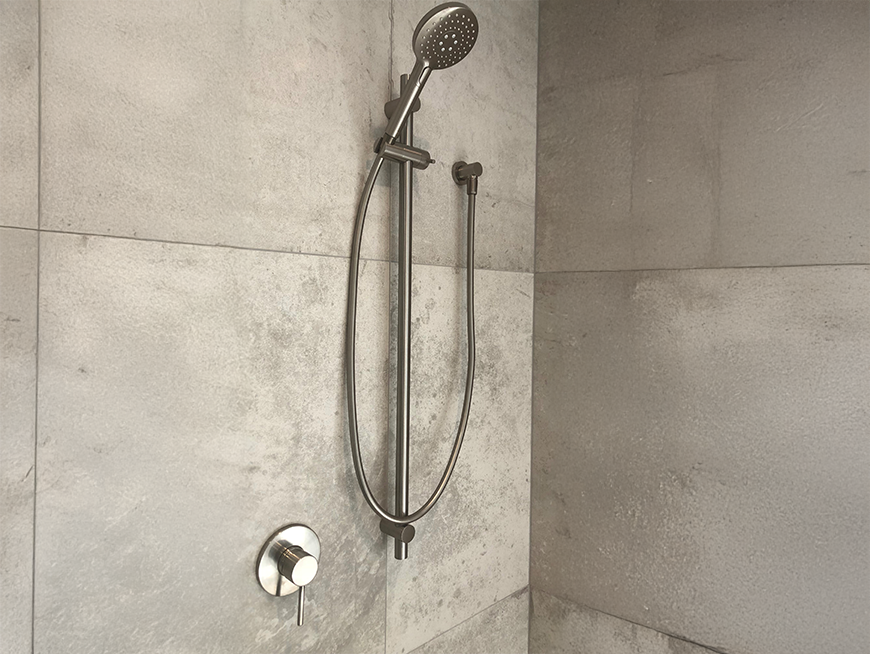
Manual mixer showers use a single control to adjust temperature and flow by mixing hot and cold feeds.
- You set the temperature by hand and any change in supply pressure can affect it.
- They are simple, cost-effective and common in many New Zealand homes, especially where water pressure is fairly stable.
Thermostatic mixer showers
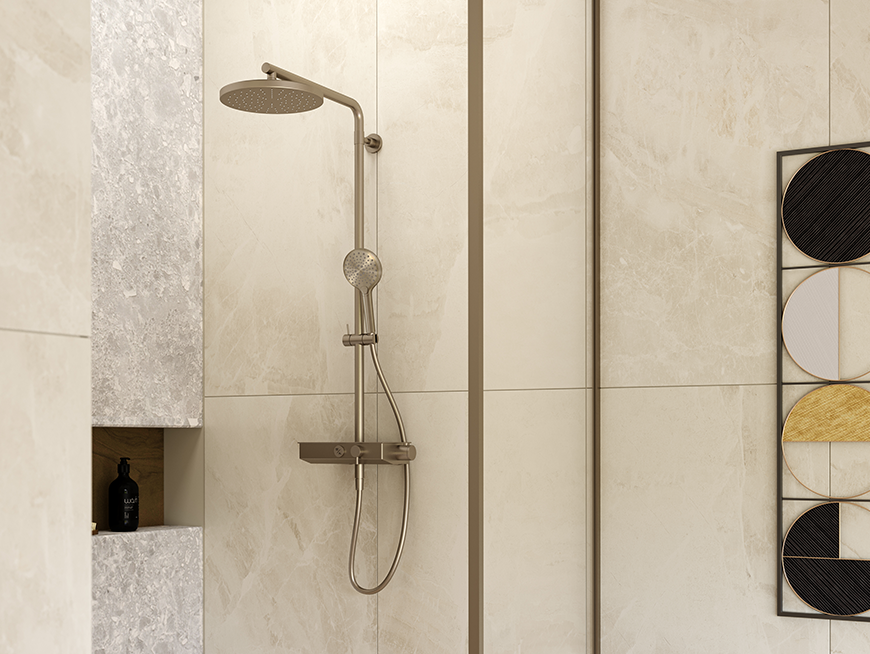
Thermostatic mixer showers contain a thermostat that reacts to changes in water temperature and pressure to keep your chosen temperature steady.
- If someone flushes a toilet or turns on a tap, the thermostatic valve automatically adjusts to maintain the set temperature.
- If the cold supply fails, many units shut down or significantly reduce flow to prevent scalding, providing important safety protection for children and older people.
- More and more modern mixer showers are thermostatic because they combine comfort with safety and can help meet code expectations around avoiding scalding.
Premium thermostatic mixer shower options from brands like Grohe, Hansa and Zucchetti.KOS give very precise control and are a popular choice in high-end NZ bathrooms.
Fixed output controls and diverter systems
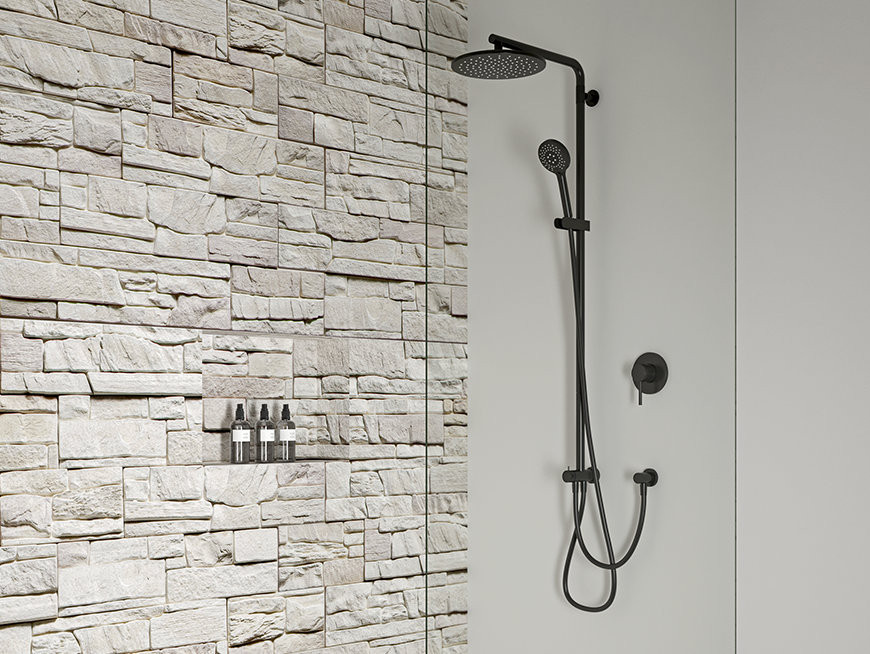
In many installations, the mixer or valve feeds one or more outlets, such as:
- A fixed wall shower
- An overhead or ceiling-mounted rainfall head
- A handheld shower on a rail
A diverter in the plumbing or trim lets you switch between outlets. Fixed, single outlet systems are simpler and often cheaper to install. Multi-outlet systems offer more flexibility but require careful planning of pressure, flow and installation details.
Water pressure considerations
Before choosing any shower system, you must understand your water pressure and hot water set up.
New Zealand’s G12 Water Supplies Clause requires that plumbing systems deliver adequate flow to sanitary fixtures like showers and that outlets such as shower mixers and heads are appropriate for the available flow and pressure.
Key checks:
· System type
Many New Zealand homes now have mains pressure hot water, but some older homes still use low or unequal pressure systems. Some shower mixers and heads are designed specifically for mains pressure and may perform poorly on low pressure. Always check manufacturer literature.
· Pressure range
Manufacturers specify minimum and maximum operating pressures for mixers and shower heads. G12 states that you must refer to manufacturers’ literature for this data and ensure the selected outlet suits your water system. If a pressure-reducing valve is installed, the available head is calculated from its outlet pressure plus any downstream losses.
· Balanced pressure for thermostatic mixers
Thermostatic mixer showers work best when hot and cold pressures are balanced. Where pressures differ greatly, a plumber may recommend pressure limiting or tempering solutions to deliver stable performance.
Elementi, Grohe, Hansa, Samuel Heath and Zucchetti.KOS all publish clear technical data for their shower systems so you can pair the right valve and head with your home’s water system.
Rainfall vs overhead vs handheld showers
Shower heads play a big part in comfort and water use. When comparing rainfall shower heads with overhead or handheld options, think about flow, coverage and how you use the shower day to day.
Rainfall shower heads
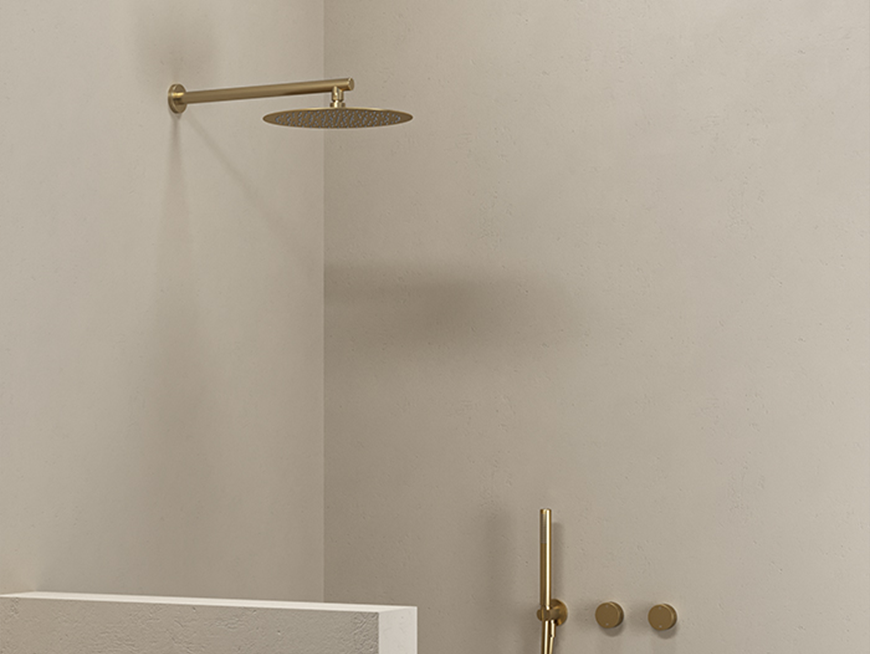
Rainfall shower heads are large, overhead heads designed to deliver a gentle, enveloping spray.
- Flow rate standards in many regions limit rainfall heads to the same maximum flow as regular heads, often around 2.0 to 2.5 gallons per minute, which equates to roughly 7.5 to 9.5 litres per minute.
- Because the water is spread over a wider area, it feels softer even at the same flow rate. Some people take longer showers to feel fully rinsed, which can indirectly increase water use.
If your home has low pressure, you may need a higher flow or a carefully chosen head design so a rainfall shower still feels satisfying. Grohe, Hansa and Zucchetti.KOS engineer their rain heads to balance coverage and efficiency so they work well at appropriate NZ pressures.
Standard overhead and wall-mounted heads
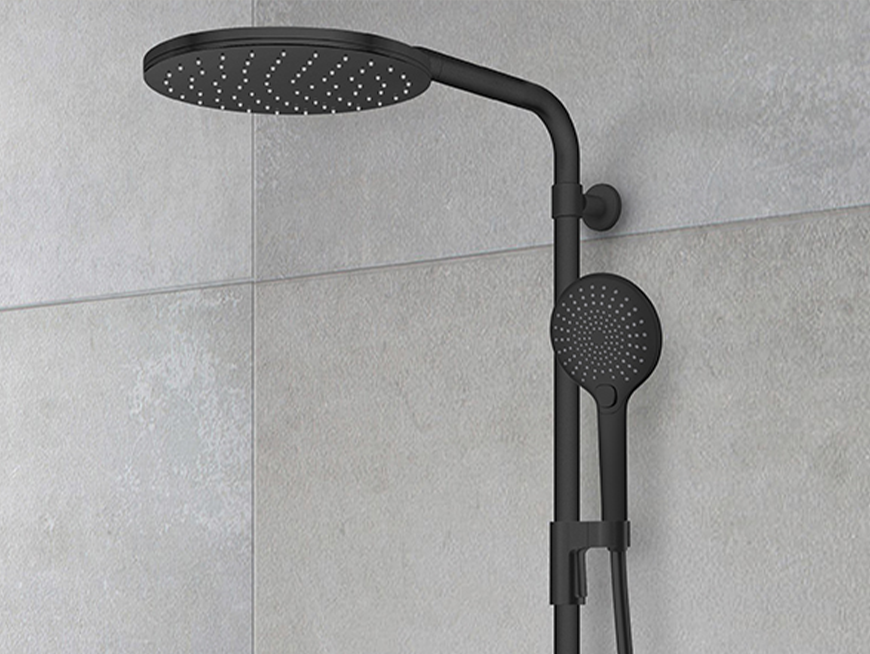
Traditional wall-mounted or overhead heads with smaller faces provide a more focused spray.
- They often feel more “punchy” at a given flow compared with very large rain heads because water is concentrated in a smaller area.
- Many efficient shower heads fall into this category and can deliver a strong sensation while using less water.
Handheld and slide showers
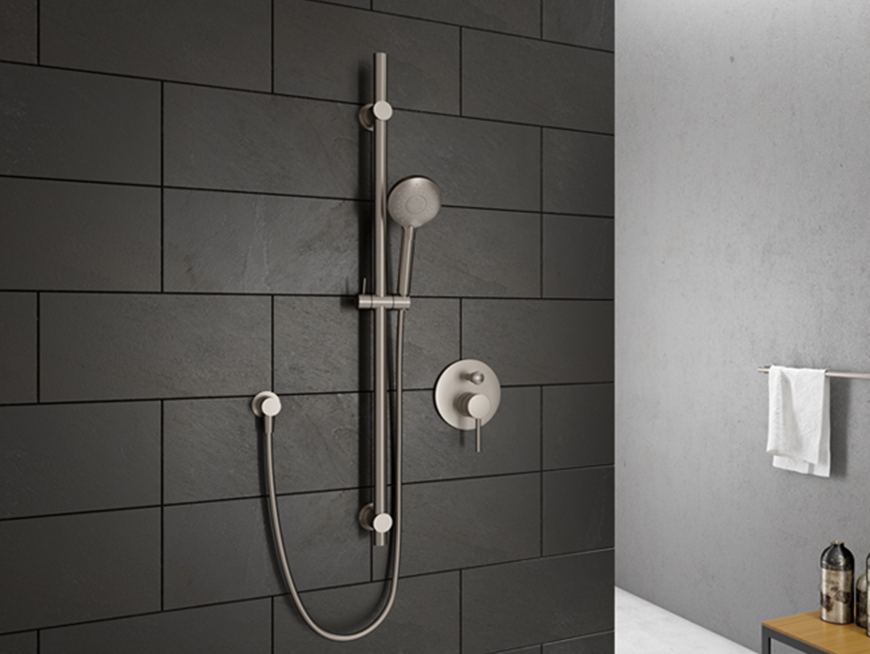
Handheld showers on a rail are some of the most practical shower systems NZ households can choose.
- You can adjust height for different users and remove the handset for rinsing children, pets or the shower enclosure itself.
- Some rain shower systems combine a large fixed head with a separate handheld, so you can switch between spa-like and targeted sprays.
Elementi, Grohe, Hansa, Samuel Heath and Zucchetti.KOS all offer combinations of overhead and handheld showers, so you can mix comfort with practicality and water efficiency.
Installation requirements
Every shower system is part of your home’s plumbing and water system, so installation needs to respect both the NZ Building Code and good practice.
Important considerations:
· Plumbing access and wall construction
In-wall mixers and concealed thermostatic valves need sufficient depth and solid fixing points. Planning is easier during a full renovation than in a simple head swap. G12 requires that systems allow reasonable access to components likely to need maintenance and can be isolated for testing and repairs.
· Waterproofing and enclosure design
The position of the shower head relative to screens and drains affects splash, waterproofing and slip risk. Large rain heads may require more generous enclosures so spray is contained comfortably.
· Compliance and licensed work
Many aspects of shower plumbing must be carried out by licensed plumbers under NZ law. They ensure that hot water temperatures, backflow protection and pipework meet current requirements and that any thermostatic devices used for scald protection are installed correctly.
Working with products from established brands via Robertson ensures you can access detailed installation guides and local advice for Elementi, Grohe, Hansa, Samuel Heath and Zucchetti.KOS systems.
Maintenance and cleaning
A well-chosen shower should be easy to look after. Design and materials make a big difference to how often you need to clean and how the shower ages in New Zealand’s humid climate.
Tips:
- Descaling Hard water can leave mineral deposits that block nozzles. Most modern heads use silicone or soft rubber jets that can be rubbed with your fingers to dislodge scale. Periodic soaking of the head in a mild descaling solution also helps maintain spray patterns.
- Checking filters and cartridges Mixer and thermostatic valves often include strainers or filters. Regularly cleaning these keeps flow even and protects internal components. Manufacturers recommend maintenance intervals in their literature.
- Ventilation Good ventilation is essential to manage moisture in bathrooms and protect fittings, in line with broader Building Code expectations for internal moisture and water management.
Higher quality finishes from brands like Samuel Heath, Grohe and Zucchetti.KOS are engineered to resist corrosion and tarnishing, but all benefit from gentle cleaning and avoiding harsh chemicals.
Water efficiency and WELS ratings
Showers are significant water users in New Zealand homes. Research cited by BRANZ notes that a 3 star WELS rated shower head delivering 8.5 litres per minute can save around 47,000 litres of water per year compared with a common 14 litre per minute shower, based on three showers per day averaging 7.8 minutes.
- Applies to showers for personal bathing as defined in AS/NZS 3662.
- Rates complete shower heads, including any supplied hoses or flow controllers, on a 0 to 6 star scale and specifies flow limits for each level.
- Estimates from one manufacturer suggest standard shower heads may use 15 to 25 litres per minute, while three star water efficient heads can use as little as 6 to 7 litres per minute.
For most households, choosing at least a 3-star WELS-rated shower head provides a good balance between comfort and water savings. Many systems from Elementi, Grohe, Hansa and others stocked by Robertson are designed to meet or exceed these targets without feeling weak, which is a key competitive advantage over basic imports. You can easily filter our range of showers based on the WELS rating so you know what to expect.
Cost comparison of shower system types
Cost is a combination of product price, installation complexity and long term running costs.
General patterns:
Manual mixer with a single efficient head
Typically, the most cost-effective upfront. Installation is straightforward, especially when upgrading an existing mixer with similar fittings. Ongoing costs depend largely on the WELS rating and how long household members shower.
Thermostatic mixer with one or two outlets
Higher initial product cost, but offers greater comfort and safety. In households with children or elderly people, better scald protection and stable temperature can be considered part of a “safety investment”.
Multi-outlet rainfall, overhead and handheld systems
These are premium solutions that combine multiple components and more intricate plumbing. They cost more to buy and install, but can transform a bathroom into a spa-like space and add perceived value to the home.
Given that showers are used daily, many New Zealanders find that spending a bit more on a well-designed Elementi, Grohe, Hansa, Samuel Heath or Zucchetti.KOS system pays off over time in comfort, reliability and water efficiency.
NZ climate durability
New Zealand’s mix of coastal environments, varied water quality and high bathroom humidity makes durability a key selection factor.
Consider:
- Corrosion resistance Metals and finishes in shower arms, heads and mixers must endure moist, sometimes salty air. High-quality brass bodies and robust plating or PVD finishes tend to offer better long-term performance than thin, low-cost coatings.
- Hard water effects In regions with harder water, scale buildup can be more aggressive. Efficient heads with good nozzle design and easy cleaning features are particularly valuable here.
- Compliance with evolving standards G12 Water supplies is being updated to reflect new product standards and expectations, including aspects like lead content and reliability under NZ conditions. Choosing systems from established brands via Robertson helps you stay aligned with these changes.
Elementi, Grohe, Hansa, Samuel Heath and Zucchetti.KOS design for demanding international markets and test their products extensively, which translates into real-world durability in NZ homes.
Conclusion
Whether you are planning a simple shower upgrade or a full bathroom renovation, choosing the right system will shape how your home feels and functions every single day. To explore rainfall heads, thermostatic systems and complete shower solutions from Elementi, Grohe, Hansa, Samuel Heath and Zucchetti.KOS, check out the full showers range online at Robertson or call into a showroom in Auckland, Wellington or Christchurch to talk through options with the team.
FAQs - Shower systems NZ
What is the difference between a thermostatic mixer shower and a standard mixer?
A standard mixer blends hot and cold water manually, and any change in supply can affect the temperature. A thermostatic mixer shower uses an internal thermostat to keep the temperature stable and will usually shut down or reduce flow if the cold supply fails, helping to prevent scalding.
Do rainfall shower heads use more water?
Many rainfall shower heads are restricted to the same maximum flow as regular heads, so they do not automatically use more water. However, because the spray is gentler and more spread out, some people take longer showers, which can indirectly increase total water use.
What WELS rating should I look for in a shower?
A 3-star WELS-rated shower head, at about 8.5 litres per minute, can save roughly 47,000 litres of water per year compared with a typical 14 litres per minute head in an average household. Many homeowners find that 3 stars or above offers a good balance between comfort and efficiency.
How important is my home’s water pressure when choosing a shower?
Very important. G12 Water supplies require that outlets such as shower mixers and heads are appropriate for the available flow and pressure. Some heads and valves only work properly at mains pressure, while others are designed to cope with lower or unequal pressures, so you must match the product to your system.
Are multifunction showers with both rainfall and handheld heads worth the extra cost?
For many households, yes. A large overhead or rainfall head gives a relaxing spa feel, while a separate handheld on a rail makes cleaning and rinsing much easier. When combined with a well-tuned WELS-rated system, you can enjoy this versatility without significantly increasing water use.
Why should I choose brands like Elementi, Grohe, Hansa, Samuel Heath and Zucchetti.KOS through Robertson?
These brands invest in engineering, durability testing and water efficiency, and their shower systems are designed to work with modern plumbing and Building Code expectations. Sourcing through Robertson gives you access to curated, compliant shower systems NZ wide, plus local support, technical information and long-term spare part availability.