Small Bathroom Design: 10 Clever Space-Saving Solutions Using the Right Products
Monday 16 March 2026
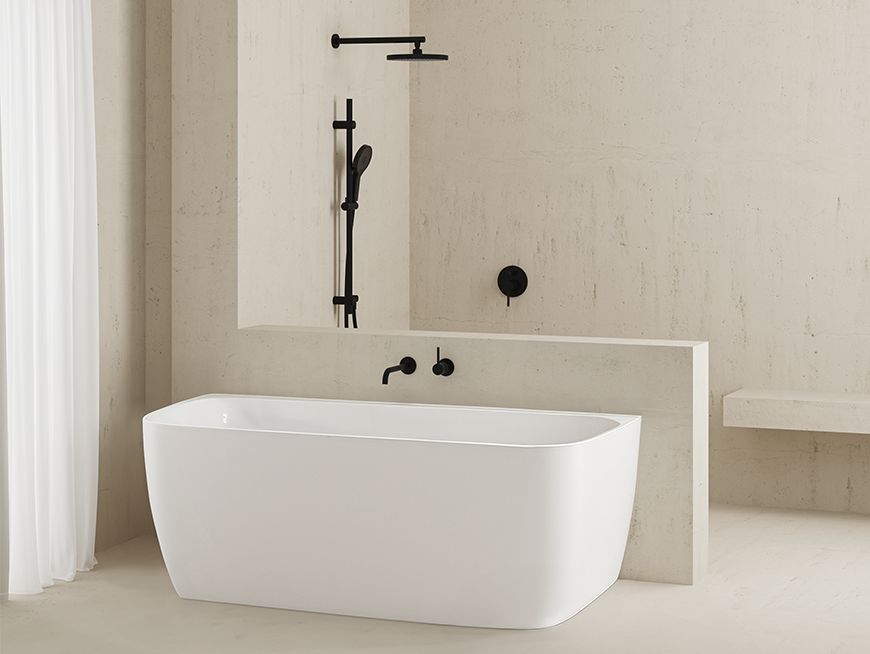
Designing a small bathroom does not mean compromising on comfort, storage, or style. With thoughtful planning and the right products, even compact bathrooms can feel spacious and functional. Key strategies include careful space assessment, choosing the correct vanity size, using wall-hung fixtures, optimising mirrors and lighting, and incorporating compact accessories.
High-quality fixtures from trusted brands such as Elementi, Grohe, Hansa, Samuel Heath, and Zucchetti.KOS can help homeowners create a bathroom that looks professionally designed while making the most of limited space.
By combining practical layout planning with space-saving products, homeowners across New Zealand can transform small bathrooms into highly functional and visually appealing spaces.
Introduction
Small bathrooms are common in many New Zealand homes, particularly in properties built between the 1970s and 1990s. While these spaces may feel restrictive at first, good planning and smart product selection can dramatically improve both functionality and appearance.
Effective small bathroom planning draws on principles from both bathroom design and interior design. The goal is to maximise usability while creating a sense of openness. With the right mix of layout strategy and carefully selected fixtures, compact bathrooms can deliver impressive results.
This guide explores ten practical solutions that combine thoughtful planning with products designed specifically for space saving. Whether you are renovating an ensuite, upgrading a family bathroom, or modernising an older home, these ideas can help you achieve a professional result.
1. Start with a Strategic Space Assessment
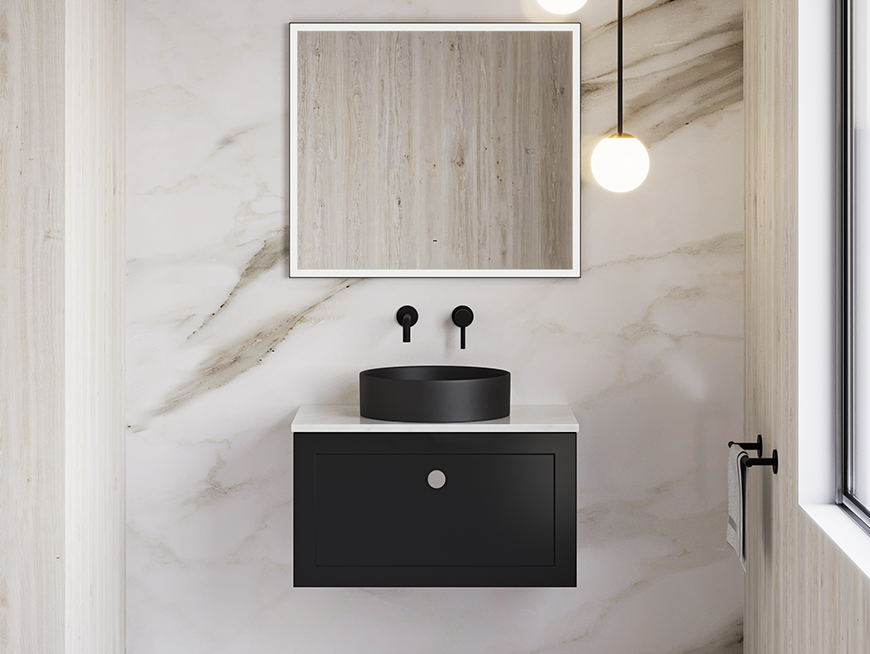
Before selecting products or planning a layout, it is important to fully understand the available space.
A proper bathroom assessment should include:
- Accurate measurements of floor space and wall dimensions
- Door swing clearance
- Plumbing locations
- Window placement and natural light
- Ceiling height and ventilation
According to the housing insights from Stats NZ, many New Zealand homes built in the late 20th century feature bathrooms under 5 square metres. In spaces this size, every centimetre matters.
Practical tip: Create a scaled floor plan before purchasing fixtures. Even experienced DIY renovators benefit from visualising layouts to avoid costly mistakes during installation. Today, AI tools can help to create accurate floorplans which can also allow you to drop in bathroom fixture and fittings so you can get a real sense of what your space can look like.
2. Choose the Right Vanity Size for Compact Spaces
Vanities often dominate the visual footprint of a bathroom. Choosing the correct size and configuration is one of the most important decisions in small bathroom design.
Popular Small Bathroom Vanity Options
Typical compact vanity widths include:
- 600 mm vanities - ideal for small en-suites
- 750 mm vanities - balanced storage and footprint
- 900 mm slim vanities - good for family bathrooms with limited depth
Modern vanity ranges from brands like Elementi focus on slim profiles and efficient drawer storage that maximise usable space without overwhelming the room.
Key features to look for:
- Reduced depth designs
- Integrated basins
- Soft-close drawers
- Moisture-resistant cabinetry
These features help achieve a clean, streamlined appearance while maintaining practical storage.
Explore our range of bathroom vanities and furniture
3. Use Wall-Hung Fixtures to Open Up Floor Space
Wall-mounted fixtures are one of the most effective tools in small bathroom design.
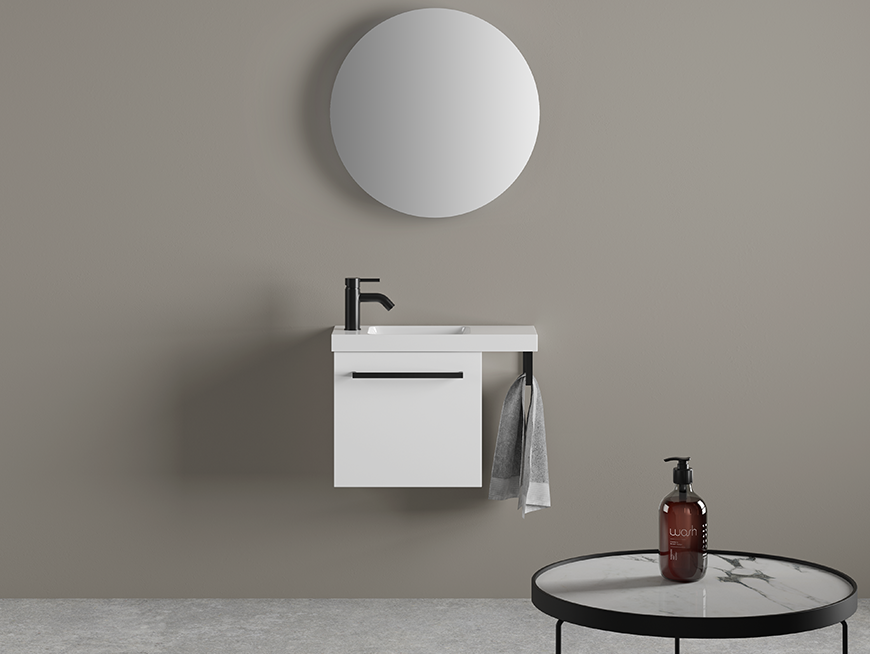
Floating vanities, wall-mounted tapware, and suspended accessories create visual openness by exposing more floor area. This technique makes the room feel larger even when the physical footprint remains unchanged.
Advantages include:
- Easier cleaning underneath fixtures
- Greater visual space
- Flexibility in mounting height
- Modern aesthetic appeal
Wall-mounted mixers from manufacturers like Grohe and Zucchetti.KOS combine sleek design with durable engineering and are commonly used by professional installers across New Zealand.
Explore our high-quality tapware options today.
4. Maximise Vertical Storage
In small bathrooms, vertical space is often underused.
Instead of relying solely on cabinetry, consider:
- Tall wall cabinets
- Recessed shelving
- Floating shelves above the toilet
- Ladder-style towel storage
Accessories from brands like Parisi offer elegant solutions that combine durability with efficient storage.
Strategically placed shelving allows everyday items to remain accessible while keeping countertops uncluttered.
5. Use Mirrors to Visually Expand the Room
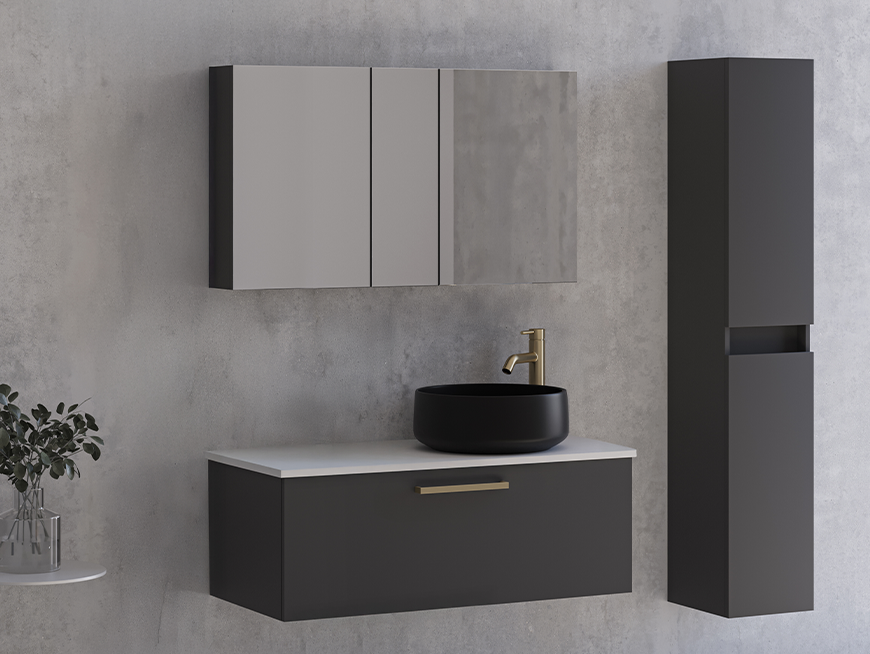
Mirrors are one of the simplest yet most powerful design tools for small bathrooms.
A well-positioned mirror reflects light and visually doubles the perceived depth of the room.
Effective mirror strategies include:
- Large wall mirrors above vanities
- Full-width mirrors spanning the vanity wall
- Backlit mirrors for added illumination
Interior design research shows that reflective surfaces can increase perceived room size by up to 30 percent when positioned correctly, according to design analysis from Houzz.
For best results, align mirrors with natural light sources whenever possible.
6. Install Smart Lighting Solutions
Lighting has a major influence on how spacious a bathroom feels.
A layered lighting approach works best in compact rooms.
Effective Lighting Layers
- Ambient lighting - ceiling lighting that illuminates the entire space
- Task lighting - mirror lighting for grooming tasks
- Accent lighting - subtle lighting to highlight design features
Wall lighting combined with reflective surfaces helps eliminate shadows that can make small bathrooms feel cramped.
Energy-efficient LED lighting also supports sustainability goals. According to the International Energy Agency, LED lighting can reduce electricity consumption by up to 75 per cent compared with traditional lighting technologies.
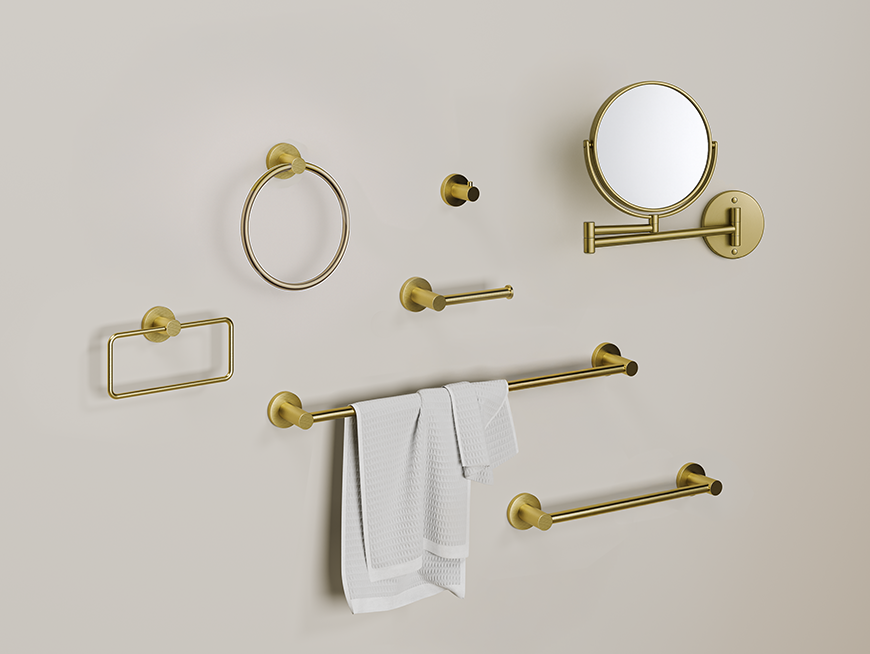
7. Choose Compact Bathroom Accessories
Accessories are often overlooked during renovations, but they can dramatically influence functionality.
Small bathrooms benefit from accessories that combine multiple functions while occupying minimal space.
Examples include:
- Wall-mounted towel rails
- Compact toilet roll holders with shelving
- Integrated soap dispensers
- Minimalist robe hooks
Design-led accessory collections from Zucchetti.KOS focus on clean lines and durable finishes that complement modern bathrooms while maintaining practicality.
Browse our accessory solutions.
8. Consider Recessed Storage Niches
Recessed wall niches are a favourite storage solution among professional designers because they add storage without increasing the room footprint.
Common locations include:
- Inside shower walls
- Above bathtubs
- Next to vanities
Because niches sit within the wall cavity, they offer practical storage for toiletries without protruding into the room.
This approach works particularly well in tiled shower spaces where shelves might otherwise disrupt the design.
9. Use Light Colours and Consistent Finishes
Colour choices strongly influence how large a bathroom feels.
Lighter colours reflect more light and make surfaces appear further apart. Popular palettes in New Zealand bathrooms include:
- Soft whites
- Warm neutrals
- Pale greys
- Natural stone tones
Consistency across tapware, accessories, and cabinetry also creates visual harmony.
For example, matching chrome tapware with chrome accessories helps create a cohesive aesthetic that feels intentional rather than crowded.
10. Plan Layouts for Practical Flow
Even the best fixtures will not perform well in a poorly planned layout.
Professional bathroom planners often follow a few simple principles:
- Maintain comfortable clearance around toilets and vanities
- Avoid placing large fixtures directly opposite the door
- Align plumbing fixtures where possible to simplify installation
Good layout planning ensures the bathroom functions efficiently while maintaining a clean visual structure.
Real Small Bathroom Transformations
Many successful bathroom renovations involve replacing bulky, outdated fixtures with slimmer modern alternatives.
Common upgrade combinations include:
- Replacing floor-standing vanities with floating vanities
- Installing wall-mounted mixers
- Adding recessed shower niches
- Upgrading mirrors and lighting
These changes often deliver dramatic improvements without increasing the physical size of the room.
For homeowners renovating older properties, these updates can also increase resale value. Property market data from Price My Property suggests bathroom renovations are among the upgrades most likely to influence buyer perception.
Final Thoughts
Small bathrooms present design challenges, but they also offer opportunities to create smart, efficient spaces.
By combining thoughtful layout planning with well-designed fixtures and accessories, homeowners can achieve results that look professional and perform well over time.
Brands such as Elementi, Grohe, Hansa, Parisi, and Zucchetti.KOS provide reliable solutions trusted by designers, installers, and renovators across New Zealand.
Whether you are planning a DIY upgrade or working with a designer, selecting the right products is one of the most effective ways to maximise small bathroom spaces.
Frequently Asked Questions
What is the best vanity size for a small bathroom?
For most small bathrooms, vanities between 600 mm and 900 mm wide offer the best balance between storage and space efficiency. Slim-depth vanities are particularly useful where walkway clearance is limited.
How can I make a small bathroom look bigger?
Several design strategies can help:
- Use large mirrors
- Install wall-mounted fixtures
- Choose light colour palettes
- Add layered lighting
- Reduce clutter with compact storage
These approaches improve visual openness without changing the physical footprint of the room.
Are wall-hung vanities suitable for New Zealand homes?
Yes. Modern wall-hung vanities are designed for durability and can be securely mounted to reinforced walls. They are widely used in contemporary bathroom renovations throughout New Zealand.
What tapware works best in small bathrooms?
Wall-mounted or compact basin mixers are ideal for small spaces. They reduce clutter around the basin and create a cleaner appearance while maintaining full functionality.
How important are bathroom accessories in small spaces?
Accessories play a significant role in functionality. Wall-mounted towel rails, robe hooks, and compact storage accessories keep surfaces uncluttered and improve everyday usability.