Lead in Drinking Water: What New Zealand Homeowners Should Know
Monday 22 June 2026
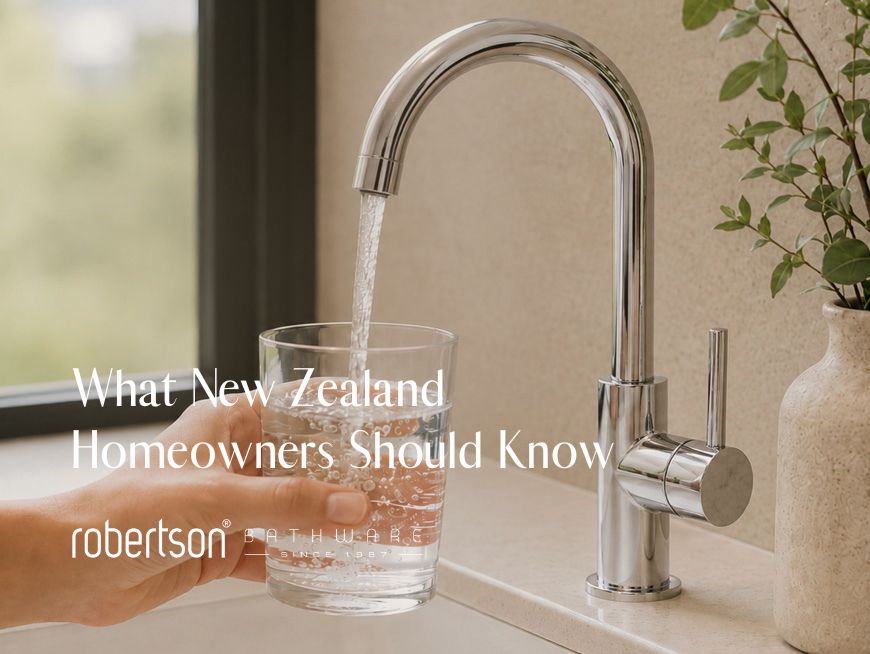
If you are planning a bathroom renovation, building a new home, or simply keeping an eye on what goes into your family's drinking water, you may have seen recent news about lead-free tapware requirements in New Zealand. It's a sensible thing to want to understand and a sensible thing to ask questions about.
This post is written to give you clear, factual answers. Not to alarm you, and not to downplay the issue either - just to explain what has changed, why it matters, and what you can do to make sure your home has the safest possible setup going forward.
If you would like the more technical detail behind these changes, our earlier posts cover what DZR brass means and the original announcement on the new compliance standard. This post focuses purely on what matters to you as a homeowner.
Why lead in drinking water is a health concern
Lead is a metal that, even in small amounts, can affect human health over time. It’s not something the body needs or benefits from in any quantity, and unlike some trace minerals, there is no safe "good" level of lead exposure, only levels of risk that increase with greater or more prolonged exposure.
Children and pregnant women are the groups most sensitive to lead. Announcing the new Building Code requirements, Building and Construction Minister Chris Penk noted that there is growing evidence that even trace amounts of lead exposure can be harmful over time, and that international health advice points to removing lead from plumbing products entirely as the most effective way to reduce exposure risk. Water New Zealand's chief executive Gillian Blythe has similarly pointed out that children are particularly vulnerable to lead, and that exposure can affect brain development, lower IQ, and contribute to behavioural and learning difficulties.
This is not a New Zealand-specific concern; it reflects a global shift in plumbing standards over the past two decades, as countries have progressively tightened the allowable lead content in products that come into contact with drinking water.
The reassuring part of this story is that New Zealand's drinking water itself, once it leaves the treatment plant, is closely regulated and monitored against national standards. The issue this new rule addresses sits closer to home - quite literally, in the pipes and tapware inside individual properties.
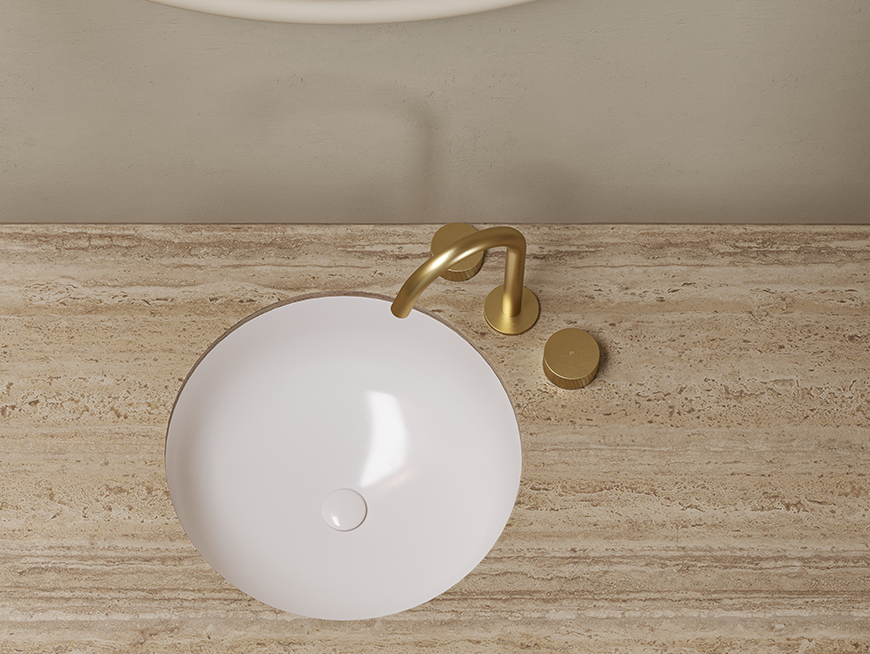
How lead gets into water through tapware and fittings
Most tapware historically has been made from brass, an alloy of copper and zinc. Many brass formulations also contained a small percentage of lead, added to make the metal easier to machine into precise components during manufacturing.
The lead in these older brass fittings doesn't simply sit inertly inside the tap. Over time, particularly where water is soft, slightly acidic, or has been sitting still in the pipework for a while, such as overnight, small amounts of lead can leach from the brass into the water passing through it. This is the mechanism the new regulations are designed to address.
From 2 May 2026, under an update to the Building Code known as G12/AS1 Amendment 14, any tapware or copper alloy fitting that comes into contact with drinking water in a new installation must have a weighted average lead content of no more than 0.25%, a substantial reduction from what was previously permitted. In practical terms, this means new tapware sold and installed in New Zealand is now built to a "lead-free" standard, using brass formulations designed specifically to keep lead out of your water supply.
James Robertson, General Manager, Distribution at Robertson Bathware, has watched this shift take shape across the industry. "This change has been coming for a while, and frankly, it’s overdue in a good way," he says. "Other countries moved to lead-free plumbing standards years ago, and New Zealand has now caught up. For homeowners, it means that any new tapware fitted in your home from this point forward is built to a meaningfully higher standard than what came before."
You can read more about James and the Robertson team on our About Us page.
What homeowners should ask their plumber or builder
If you are partway through a renovation, or about to start one, it is entirely reasonable to ask your plumber or builder directly about the tapware being installed. A good tradesperson will expect this question and should be able to answer it without hesitation.
Useful questions to ask include:
- "Is the tapware you're installing compliant with G12/AS1 Amendment 14?"
- "Can you show me the lead-free (LF) marking on the product or packaging?"
- "Do you have a Supplier's Declaration of Compliance for this product?"
- "Where is this tapware manufactured, and what brand is it?"
You don't need to become an expert in plumbing standards to ask these questions. You simply need to know that it's appropriate to ask them, and that a reputable supplier or tradesperson will have ready answers.
"Homeowners are well within their rights to ask these questions, and we'd actively encourage it," says James Robertson. "It's no different to asking about the warranty on an appliance or the materials used in your kitchen benchtop. Compliance shouldn't be a mystery, and any plumber working with quality suppliers will be happy to talk you through it."
How to check if tapware is compliant
If you are choosing tapware yourself, for example, browsing online or in a showroom before a renovation, there are a few practical things to look for.
Check the packaging or product listing for an LF marking. This indicates the product meets the lead-free requirement. Compliant products will often also carry a DR marking, indicating dezincification-resistant brass, a related but separate requirement that protects the tapware itself from long-term corrosion.
Ask the retailer or supplier for compliance documentation. A Supplier's Declaration of Compliance (SDoc) is the formal paperwork confirming a product meets the current Building Code requirements. Any supplier selling tapware for use in New Zealand should be able to provide this without difficulty.
Be cautious with older stock, imported products of unknown origin, or significantly discounted tapware from unfamiliar sellers. Products that have been sitting in a warehouse for years, or that are sourced through channels without clear documentation, are the ones most likely to predate the updated standard.
When in doubt, ask directly. It is entirely reasonable to ask a supplier outright: "Is this product compliant with the current Building Code lead and DZR requirements?" A confident, documented answer is a good sign. Vagueness is not.
Choosing Robertson means you don't need to guess
One of the more reassuring aspects of this whole topic, from a homeowner's perspective, is that you don't need to personally verify every detail if you are working with a supplier who has already done that work for you.
Robertson Bathware began preparing for these changes well before the 2 May 2026 deadline, working directly with our European manufacturing partners to ensure the entire current tapware range met the new standard ahead of time. Every basin mixer, kitchen mixer, shower mixer and bathroom tap in our current range is both lead-free and DZR compliant, with documentation available for every product, should you or your plumber want to see it.
"We didn't want our customers to have to think about this at all," says James Robertson. "Whether you're a homeowner choosing a tap for a new ensuite, or a plumber picking up stock for a job, the products on our shelves and on our website are already where they need to be. That's the whole point of being prepared early - it takes the worry out of it for everyone downstream."
This matters particularly if you are renovating with young children in the house, planning a nursery, or simply prefer not to have to think about plumbing standards while you're focused on choosing tapware that looks good in your new bathroom. With Robertson, the compliance question is already answered - you're free to choose based on style, finish and budget, knowing the safety standard is taken care of.
Browse Robertson's lead-free tapware range →
Frequently asked questions
Is my existing tapware safe?
For most households, existing tapware that has been installed and working without issue does not need to be treated as an emergency concern. The new rule applies to new installations and renovations going forward, not to a mandatory retrofit of every home in New Zealand. That said, if you have any specific health concerns, for example, if you are pregnant or have young children and want extra peace of mind, a simple precaution recommended by Water New Zealand is to flush your taps for a few seconds each morning before using the water for drinking or cooking, particularly if water has been sitting in the pipes overnight. This clears out any water that has been in extended contact with your home's internal plumbing.
Do I need to replace my current taps?
There is no legal requirement to immediately replace tapware that was compliant with the rules in place at the time it was installed. However, if you are already planning a renovation, a kitchen upgrade, or a bathroom refresh, this is a natural and sensible opportunity to upgrade to lead-free, DZR-compliant tapware as part of that project.
Does this affect my shower head?
No. The lead and DZR requirements apply specifically to components in contact with pressurised drinking water, primarily mixer valves and tapware bodies. Shower heads, which sit at the outlet end of the system, are not subject to the same requirement, although many quality shower heads will still be manufactured to a high standard regardless.
Will lead-free tapware cost more?
When the new standard was introduced, Minister Penk noted that the industry had reported the additional cost of using lead-free products was negligible. In practice, the shift to compliant tapware has not resulted in significant price increases for consumers.
How do I know if a tap I'm buying is compliant?
Look for LF and DR markings on the packaging, and don't hesitate to ask the retailer for a Supplier's Declaration of Compliance. If you choose tapware from Robertson's current range, this is already taken care of.
If you have further questions about lead-free and DZR-compliant tapware for your home, our team is always happy to help, whether you're planning a full renovation or simply replacing a single tap.
Robertson Bathware has supplied quality tapware to New Zealand homes for over 40 years. Our full tapware range is lead-free and DZR compliant under G12/AS1 Amendment 14. Browse our range or get in touch with our team for advice on your next project.