Bathroom Renovation Guide NZ: What to Consider Before You Start
Friday 17 July 2026
Bathroom Renovation Guide NZ: What to Consider Before You Start
Renovating a bathroom is one of the most rewarding upgrades you can make to a New Zealand home. Whether you are refreshing an ensuite, updating a family bathroom, designing a powder room or planning a full renovation, the right products and layout choices can make a lasting difference to how the space looks, feels and functions every day.
Before choosing tiles, tapware or a vanity, it helps to understand the key decisions that shape a successful bathroom renovation. From layout and storage to water pressure, compliance, finishes and product durability, here are the main things to consider before you start.
1. Understand how the bathroom will be used
A beautiful bathroom should also work for the people using it. Start by thinking about the role of the room.
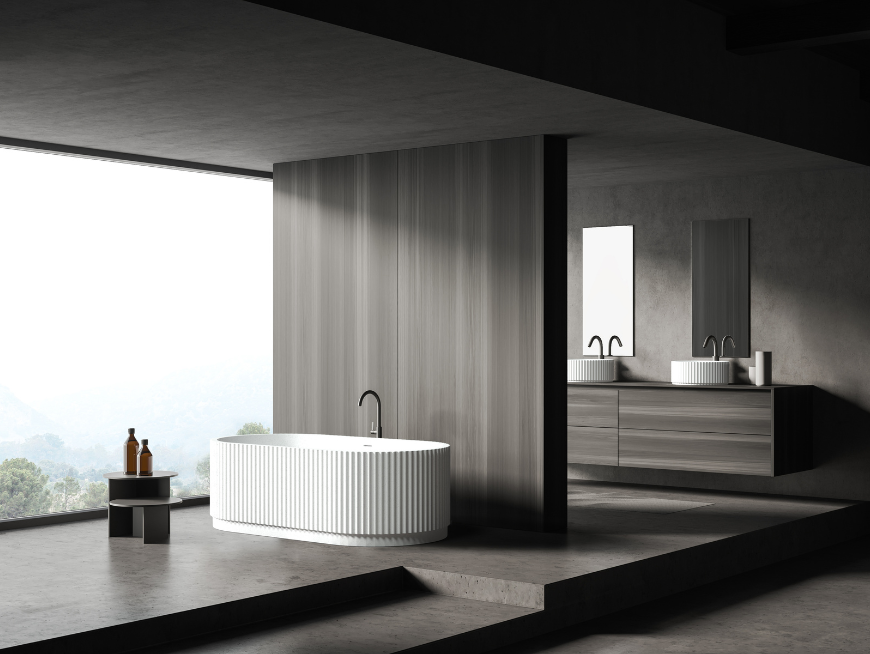
A main family bathroom may need generous storage, easy-clean surfaces, a practical shower, a bath for children and durable tapware that can handle daily use. An ensuite may focus more on comfort, calm and a refined finish palette. A powder room gives you more freedom to create a statement with a sculptural basin, bold tapware or a feature vanity.
Useful questions to ask include:
- Who will use the bathroom most often?
- Do you need a bath, or would a larger shower be more practical?
- Is storage currently a problem?
- Do you need better lighting or ventilation?
- Will the bathroom need to support future accessibility or ageing-in-place needs?
The answers will help guide your product choices and avoid costly changes later.
2. Plan your bathroom layout carefully
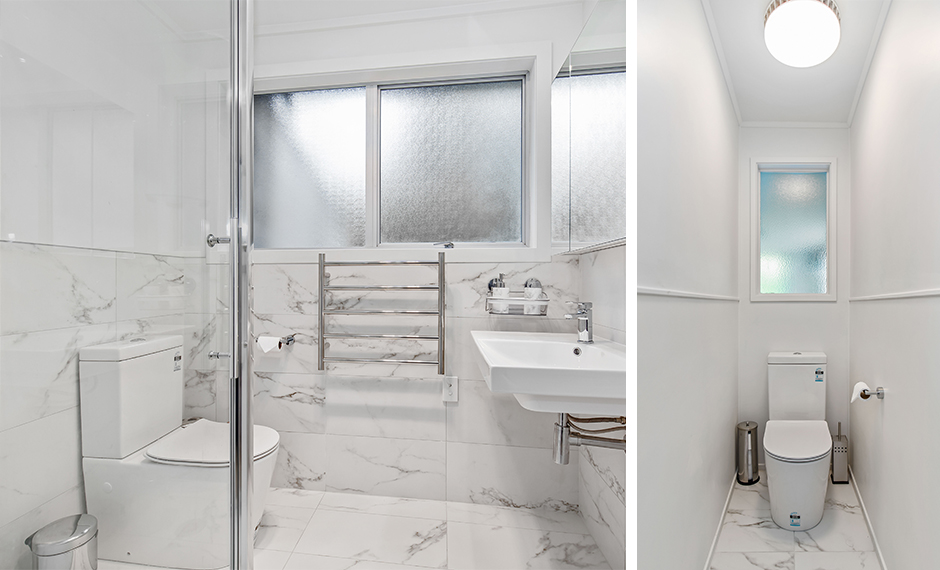
The layout has the biggest impact on how your bathroom functions. In many New Zealand renovations, the existing plumbing locations will influence where the toilet, vanity, shower and bath can go. Keeping plumbing in similar positions can help manage costs, while changing the layout may create a better long-term result.
When reviewing your bathroom layout, consider:
- Door swing and circulation space
- Vanity width and drawer clearance
- Shower entry and screen placement
- Toilet position and privacy
- Towel rail location
- Power points and mirror lighting
- Storage access
- Clear space around fittings
If you are renovating a small bathroom, compact products can make a significant difference. Wall-hung vanities, back-to-wall toilets, recessed shaving cabinets and frameless shower screens can help create a cleaner, more open feel.
3. Set a realistic renovation budget
Bathroom renovations in NZ can vary widely depending on the size of the space, product selection, plumbing changes, waterproofing, tiling and labour. Before starting, decide where you want to invest and where you can keep things simple.
Products that are worth considering carefully include:
- Tapware and mixers
- Shower systems
- Vanity and vanity top
- Toilet suite
- Bath
- Basin
- Heated towel rail
- Accessories
- Mirror or shaving cabinet
Higher-quality bathroom products can cost more upfront, but they often provide better durability, stronger warranties, improved finishes and a more refined look. For a bathroom that will be used every day, investing in reliable products is usually worthwhile.
-1784067719-COPY.png)
4. Choose products that suit New Zealand conditions
Not all bathroom products are equal, especially when it comes to local water conditions, building requirements and long-term performance.
For tapware and mixers, New Zealand projects should consider Low Lead and DZR requirements. Low Lead tapware is designed to reduce lead content in fittings used for potable water, while DZR brass helps improve resistance to dezincification, a type of corrosion that can affect brass components in certain water conditions.
When selecting products, check:
- WELS water efficiency ratings
- Warranty terms
- Suitable water pressure
- Material quality
- Finish durability
- Spare parts availability
- Installation requirements
- Compliance information
Working with a trusted New Zealand bathroom supplier can make this process much easier, especially if you are specifying products for a new build, renovation or multi-unit project.
.png)
5. Consider water pressure before choosing tapware and showers
Water pressure can affect which bathroom products are suitable for your home. Some mixers and showers are designed for mains pressure only, while others can work with unequal or lower-pressure systems.
Before purchasing tapware or a shower, confirm your home’s water pressure with your plumber. This is especially important for older New Zealand homes, villas, bungalows and properties with existing low-pressure systems.
Choosing the wrong product for your water pressure can lead to poor flow, inconsistent temperature control or installation issues. Your plumber or bathroom supplier can help confirm what will work best.
6. Select a vanity that balances style and storage
The vanity is often one of the most important pieces in the bathroom. It influences the overall style of the space while also providing essential storage.
When choosing a bathroom vanity, consider:
- Wall-hung or floorstanding design
- Width and depth
- Single or double bowl
- Drawer configuration
- Cabinet finish
- Handle style
- Vanity top material
- Basin type
- Tapware placement
Wall-hung vanities can create a lighter, more contemporary look and make the floor easier to clean. Floorstanding vanities can offer a more furniture-like feel and may suit classic or transitional bathroom designs.
For larger bathrooms and ensuites, a double bowl vanity can be useful for couples or busy households. For smaller spaces, a single bowl vanity with generous drawers may provide better storage and bench space.
.png)
7. Choose finishes that will last beyond trends
Bathroom finishes play a major role in the final look of the renovation. Chrome remains a timeless and practical choice, while brushed nickel, brushed brass, gun metal, black and warm metallic finishes can add depth and personality.
When selecting finishes, think about the wider palette of the room:
- Tapware
- Shower fittings
- Accessories
- Heated towel rails
- Cabinet handles
- Mirror frames
- Tile tones
- Vanity finish
For a cohesive bathroom design, try to keep your metal finishes consistent or intentionally complementary. Brushed finishes tend to be softer and more forgiving, while polished finishes can feel crisp and classic.
If you are renovating for resale, neutral and timeless finishes may be the safest choice. If you are creating a personal ensuite or powder room, you may have more freedom to choose a bold statement finish.
8. Prioritise ventilation and lighting
Good ventilation is essential in any New Zealand bathroom. Without it, moisture can lead to mould, peeling paint, damaged cabinetry and poor indoor air quality.
A well-planned bathroom should include effective extraction, good natural light where possible and layered lighting. Task lighting around the mirror is especially important for shaving, makeup and daily grooming.
Consider:
- Ceiling extraction
- Window ventilation
- Mirror lighting
- Overhead lighting
- Shower lighting
- Night lighting
- Natural light and privacy
Lighting can also change the way finishes appear. Brushed brass, chrome, gun metal and coloured surfaces can look different under warm or cool lighting, so it is worth viewing samples where possible.
9. Think about cleaning and maintenance
A bathroom may look beautiful on day one, but the best renovations are also easy to maintain. Product shape, surface finish and installation style all affect day-to-day cleaning.
Easy-clean choices can include:
- Back-to-wall toilet suites
- Rimless toilet pans
- Wall-hung vanities
- Solid surface or ceramic vanity tops
- Quality ceramic basins
- Frameless or semi-frameless shower screens
- Durable tapware finishes
- Minimal grout lines where practical
If the bathroom will be used by children, guests or tenants, durability and cleaning should be a major consideration.
.png)
10. Work with the right professionals
A bathroom renovation usually involves several trades, including a builder, plumber, electrician, tiler, waterproofer and sometimes a designer or architect. The earlier these professionals are involved, the easier it is to avoid problems.
A good team can help with:
- Layout planning
- Plumbing feasibility
- Waterproofing requirements
- Product compatibility
- Installation details
- Lighting and power placement
- Building consent considerations
- Project sequencing
If you are working with an interior designer, architect, builder or plumber, product selection should happen early enough to avoid delays. Some premium products, special finishes or imported brands may have longer lead times.
11. Visit a bathroom showroom before finalising products
Online research is useful, but seeing bathroom products in person can make a big difference. A showroom visit allows you to compare finishes, test product proportions, feel the quality of tapware, view vanity materials and understand how products work together.
Before visiting a showroom, bring:
- Bathroom measurements
- Photos of the existing space
- Plans or drawings if available
- Tile or flooring samples
- Inspiration images
- Your preferred finish palette
- Any plumber or builder notes
For Auckland and Wellington homeowners, specifiers and trade professionals, a showroom consultation can help narrow down the right bathroom products for your project.
12. Create a complete product schedule
Before ordering, create a full bathroom product schedule. This helps ensure nothing is missed and makes communication easier between you, your designer, builder and plumber.
Your bathroom schedule may include:
- Vanity
- Vanity top
- Basin
- Basin mixer
- Shower mixer
- Slide shower or shower column
- Toilet suite
- Bath
- Bath filler or bath mixer
- Heated towel rail
- Toilet roll holder
- Robe hook
- Towel rail
- Mirror or shaving cabinet
- Wastes and traps
- Installation accessories
A complete schedule can help avoid mismatched finishes, missing parts or delays during installation.
Final thoughts
A successful bathroom renovation starts with careful planning. Before choosing individual products, consider how the room will be used, what layout works best, which products suit New Zealand conditions and how each finish, fitting and fixture will work together.
With the right planning, your bathroom can feel calm, practical and beautifully resolved, whether you are creating a compact ensuite, a family bathroom, a luxury master suite or a statement powder room.
Robertson Bathware offers a curated selection of bathroom products for New Zealand homes and projects, including tapware, vanities, basins, toilets, showers, baths, accessories and heated towel rails from leading local and international brands.